All posts by Suzana Vukcevic

Natural Health Advocate. My wish is to make more people aware of unconventional, natural and less known ways to deal with the health challenges or simply live healthier.

Feel-Good Protein

Protein – An Indispensable Nutrient

  • Proteins are nutrients that are essential for our body. Meat, eggs, cheese and other foods from animal sources contain complete proteins that our body need and can’t make on its own.
  • We need approximately 1 gr of protein for 1 kg of weight (this is approximate, you will find all kind of different opinions and competing studies). For your reference, one egg has 6 grams of protein, cup of milk 8 grams, 80 gr steak will provide 20 to 25 grams of protein.
  • High quality, organic eggs are an excellent source of protein. Contrary to what we are led to believe there are a number of proponents like for example Dr. Mercola that support the statement that we can easily eat a dozen of raw eggs per week.Egg 810
  • All conventional animal protein (meat, eggs) fish and dairy are easily contaminated with dangerous hormones or pollutants and we need to make an effort to search for high quality, organic animal protein.
  • Pork meat is best to avoid as even pastured pigs have been found to be vulnerable to Trichinella parasite.
  • Soy (except fermented soy products like tempeh, miso and natto) is not a healthy food, despite popular belief. Among many other issues, intake of soy weakens our immune system, soy phytoestrogens disrupt endocrine function, cause infertility and promote breast cancer, cause hypothyroidism, thyroid cancer etc.
  •  Fish and seafood is great source of protein, but unfortunately  often contaminated with mercury and other toxins.

Key Things to Remember

Protein is an indispensable nutrient and we need to ensure a necessary intake of high-quality protein on a daily basis. Great sources:

  • Meat (organic, hormone free). All meats, including poultry with exception of pork.
  • Eggs (organic, cage-free) – best to consume them raw or lightly boiled/cooked.
  • Fish – deep or cold water wild/ caught. Avoid sorts that are likely to be contaminated with mercury etc.
  • Raw dairy (butter from raw milk, cheese from raw milk, raw or lightly pasteurized milk, yogurt)
  • Beans are sources of good, but not complete, proteins.

 Sources and Credits

Grains & Starch – How Much?

Excess carbohydrates from our starch and sugar-loaded diet is greatly contributing to creating epidemics of modern diseases like obesity, cancer, diabetes 2 and similar.

How Much Carbohydrates Controversy

For millions of years, human’s diet was based only on meat/plants. It was only 10,000 years ago when we began introducing sugar, starch and grains (carbohydrates) into our diets.

Consuming far too much bread, cereal, pasta, corn, potatoes, cakes, rice etc. is very common in Western world, yet it has serious consequences to our health. Starchy and sugary foods create addiction.  The body’s storage capacity for carbohydrates is quite limited, and excess is converted to fat and stored in the fatty tissue.

Excess carbohydrates contributes to excess weight, fatigue and sleepiness, depression, bloating, allergies, digestive disorders, high blood pressure, diabetes 2, cancer etc.

Contrary to popular belief that the fat is making people obese and unhealthy, in fact the excess carbohydrates from our starch and sugar-loaded diet is greatly contributing to creating epidemics of diseases such as diabetes 2, obesity and many other diseases.

That being said, we do need a certain amount of carbohydrates, but not as much as we typically consume (in excess of 50%).

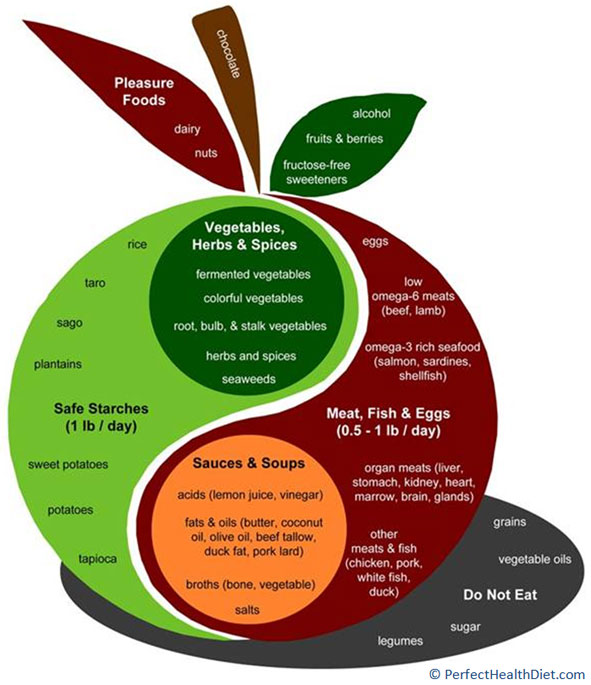
How Much of Carbohydrates?Food-Plate PerfectHealtDiet

The amount of carbohydrates one should consume for optimal health is a widely controversial topic.

My conclusion is that there is a certain minimum carbohydrate threshold most likely in the range of 25 to 30 percent or approximately 200-250 calories per day for the average person.

Most of those calories can come from non-starchy vegetables, but you’ll need some starchy carbs, such as potatoes, rice, tapioca and starchy vegetables like carrots and squash.

Use of wholegrain sorts like oatmeal, kamut, rice, barley, rye, buckwheat, quinoa etc. is also controversial, but many consider them as healthy alternatives. White rice appears to be safe as well.

Sweet potato, although high in sugar but high in vitamins/nutrients is a good alternative to “regular” potato.

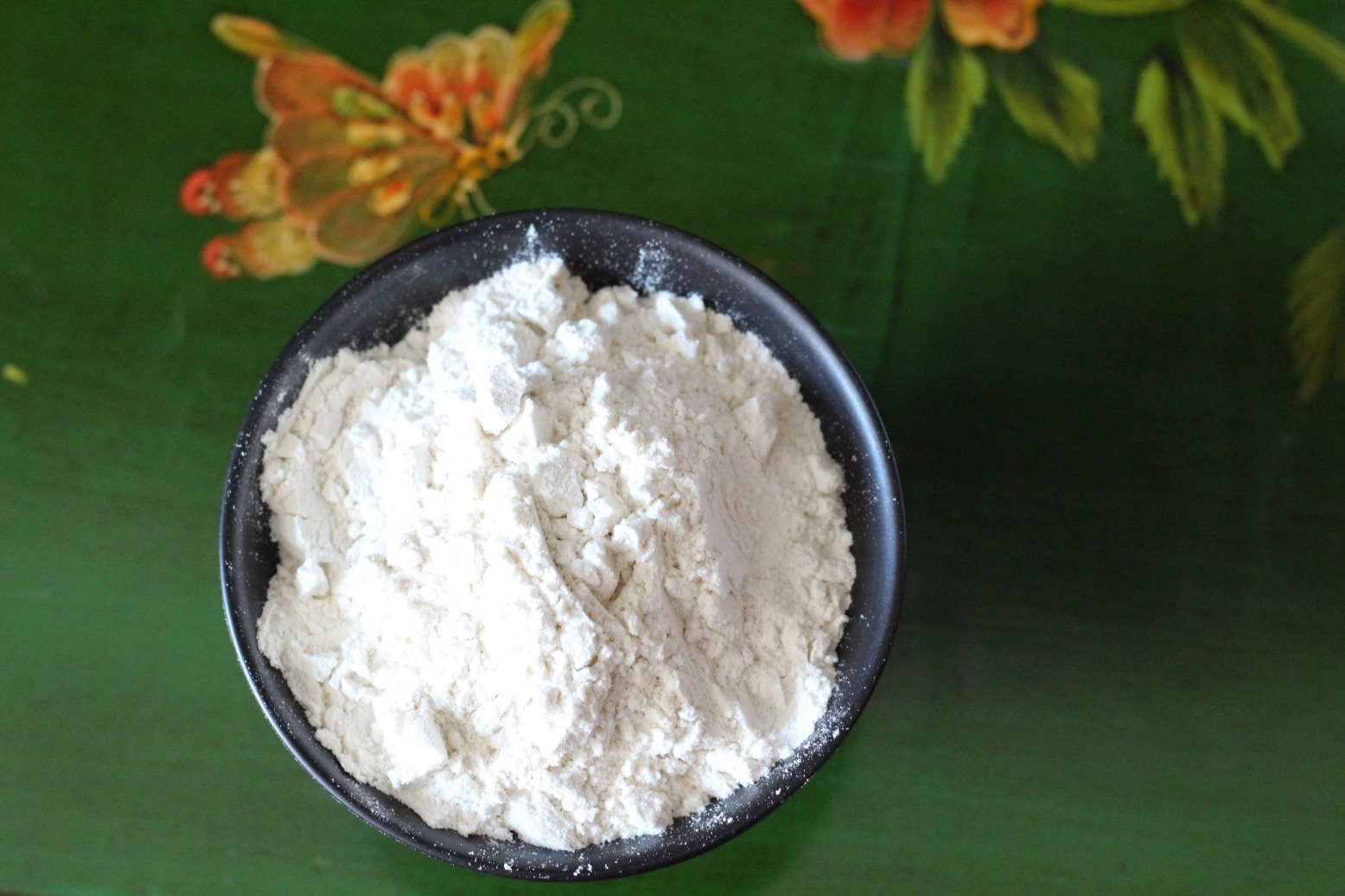
Tapioca made from the root of the cassava plant, is high in carbohydrates and contains NO gluten.

Key Things to Consider

  • Reduce the intake of grains/starch (especially wheat/gluten) to 25-30% of your total food intake.
  • Replace the excess carbs with healthy fats such as avocados, coconut oil, egg yolks, healthy butter (from raw, organic milk), olives and nuts.

Whatever the guidance is you should always listen to your body, as it will give you feedback about whether or not the approach you’ve chosen is right for your unique needs, biochemistry and genetics.  Do what feels right for yourself. Experiment. As soon as something doesn’t feel right or doesn’t make sense to you, you should tweak it.

References and Credits

http://www.mercola.com/article/insulin.htm

Perfect Health Diet, by Paul & Chou-Ching Jaminet


Refined Sugar Is Far More Addictive Than Cocaine – Find Out About Healthy Alternatives

Sugar – Bittersweet Symphony

Refined Sugar Is Far More Addictive Than Cocaine - Find Out About Healthy AlternativesSince 18th century the sugar consumption per average person increased more than 40 times and going up.

Sugar takes a devastating toll on your health. Excessive sugar consumption may be the largest factor underlying obesity and modern diseases.  Any sugar that the body doesn’t need is converted to fat.

The research shows that refined sugar is far more addictive than cocaine. From a health perspective, drinking any soft drink poses a serious health risk. Just one can of soda, for example, contains up to 40 grams of sugar.

Processed food is loaded with sugar. Fructose derived from corn (corn syrup) has become very cheap and now widely used in the majority of processed foods.

Grain-based foods such as bread, pancakes, cereals made from refined flours are also quickly turned into sugar in our bodies.

Dr Robert Lustig in his book Fat Chance: The Bitter Truth About Sugar says that it doesn’t matter whether the sugars come from fruit juice, smoothies or fizzy drinks; the fructose is dangerous for our health, irrespective of the source.

The burden of metabolizing fructose falls on liver, where excess fructose is quickly converted into fat, which explains the weight gain and obesity. Fructose is the primary cause of non-alcoholic fatty liver, contributes to raising the blood pressure and leads to the chronic inflammation that is at the core of most chronic diseases. To make things worse, fructose can promote cancer proliferation and growth.

Fruits contain fructose, although it is important to note that fruits also contain vitamins and other antioxidants that reduce the dangerous effects of fructose. Fruit juice in particular is loaded with fructose, whilst a lot of the antioxidants and fibre are lost by juicing fruits. Dr Mercola suggests limiting the daily fructose to less than 25 grams especially if you are overweight, have high blood pressure, high cholesterol. An apple or pear for example each contain around 10 grams of fructose.

Aspartame, often advertised as safe high-quality alternative to sugar, is extremely dangerous. There are hundreds of studies demonstrating its harmful effects including causing leukemia, lymphoma, and other tumors in lab animals.

Healthy Sugar Alternatives

  • Honey in its pure, raw form has myriad of health benefits. Please note that bees may be fed on sugar and make sure you buy the high quality pure honey from a trusted supplier.  Manuka Honey from New Zeeland is pricey but well-known for its quality.
  • Stevia is a sweet herb derived from the leaf of the South American stevia plant, which is completely safe in its natural form. When buying stevia, look for organic stevia extract that is 100% pure without ANY added ingredients (Organic Stevia and Zenulife have versions). Alternatively you can grow stevia plant in our garden.

Tips to Avoid the Sugar Addiction Trap

1. Avoid all artificial sweeteners

All artificial sweeteners have detrimental health effects and should be avoided: aspartame (Canderel and others), saccharin and sucralose (chlorinated artificial sweetener). Agave syrup is typically highly processed so it is also best to avoid it.

2. Read ingredients list and avoid HFCS.

Read ingredients list and avoid food that contains ‘corn syrup’, HFCS (high fructose corn syrup) or any variation

3. Avoid “no-“, “low-fat”, “low-sugar” processed food.

Avoid processed foods labeled as “no-“ or “low-fat” (usually means it’s loaded with fructose or sugar), or “no-“ or “low sugar” diet foods (which usually contain artificial sweeteners).

4. No soda drinks, they are all with no exceptions loaded with sugar or dangerous artificial sweeteners.

Filtered, pure water is our best bet.

Sources and Credits

http://articles.mercola.com/sites/articles/archive/2010/04/20/sugar-dangers.aspx

http://articles.mercola.com/sites/articles/archive/2013/08/28/soda-aspartame.aspx

http://www.sugarstacks.com/beverages.htm