All posts by Suzana Vukcevic

Natural Health Advocate. My wish is to make more people aware of unconventional, natural and less known ways to deal with the health challenges or simply live healthier.

Water – The Beginning and the End

Bottled Water Dangers And How To Go About It

An increasing number of studies report the presence of EDCs (endocrine disrupting chemicals) in bottled water.  A recent research Identification of Putative Steroid Receptor Antagonists in Bottled Water indicates there are more than 24000 of such chemicals in any given bottle of water – some of them causing serious hormone-disrupting effects.

The German researchers tested 18 different bottled water products out of which 13 had “significant” anti-estrogenic activity, and 16 out of 18 inhibited the body’s androgen receptors by 90%.

Bottled water has been found to contain estrogenic, antiestrogenic, as well as androgenic, progestagenic, and glucocorticoid-like chemicals.

Hormone disruption has the potential to cause serious effects on human life, from early maturation in children, to increased risk of cancer.

Bottled water that has been left in a car is especially dangerous. The heated chemicals in the plastic release dioxin into the water. Dioxin is a toxin increasingly found in breast cancer tissue.

Another consideration to have in mind is that just because a plastic container says it is “BPA Free” doesn’t mean it is free of harmful chemicals!

Fluoride IS Poison

More and more people are waking up to the health risks of fluoride in their water. Fluoride, added sometimes in water supplies, is a neurotoxin that has been linked to cancer and many other health issues.

The Lancet, one of the oldest and most prestigious medical journals,  published a report that has officially classified fluoride  as a neurotoxin, in the same category as arsenic, lead and mercury.

Many European countries have rejected water fluoridation in general, however a number of countries are still using this practice – check here the flouridation by country report.

If you live in one of these countries where fluoride is not added to the water supplies, instead of buying the bottled water, it may be a good start to have a water filter like Brita Maxtra that reduces chlorine, lead and other heavy metals.

This by itself is a huge saving comparing to bottled water as Britta Maxtra Water Filter Jug Annual Pack will cost you only about £35.

According to the newest research (August 2014) done by NaturalNews, Britta in fact did not perform well when it comes to heavy metals removal (Aluminum,  Copper,  Arsenic, Strontium,  Cadmium,  Cesium,  Mercury,  Lead and Uranium). Please note that the research did NOT measure fluoride, pesticides and chlorine  removal.

Based on this research only two water filters performed well enough: ZeroWater and Waterman.

Water/Fluids Intake – How Much Do We Really Need?

How much do we need stays a highly controversial topic, as hydration needs are individual and vary.  “8 glasses rule” that you no doubt have heard of is more and more questioned these days.

Using your thirst and the color of your urine (it should be light yellow) to understand your needs is one way to go about it.  This doesn’t work for me as I constantly need to remind myself to drink water. My 5 year old as well rarely is asking for water. So I take a big, half/liter mug and prepare my morning and evening tea. Along with the rest of the fluids that I normally drink during the day, this way I know I have likely taken enough.

Quick Checklist

  • Avoid bottled water.  24 000 chemicals seem like a pretty good reason to do so, plus it will save you money.
  • Glass bottled water is normally safe but pricey. Other alternatives include water filter systems like ZeroWater  Waterman or Brita Maxtra.  Otherwise, a little pricier alternative could be a reverse osmosis system.
  • Your complete fluids intake needs to be limited to
    • Filtered, pure water
    • Tea (no caffeine, green tea is the only exception)
    • Freshly pressed juices from vegetables and fruits
  • Use your thirst and the color of your urine (it should be light yellow) to judge your personal needs.

Sources and Credits

http://www.plosone.org/article/info%3Adoi%2F10.1371%2Fjournal.pone.0072472

A very informative video about bottled water you can watch at http://www.youtube.com/watch?v=Se12y9hSOM0

Flouridation by country http://en.wikipedia.org/wiki/Fluoridation_by_country

http://authoritynutrition.com/how-much-water-should-you-drink-per-day/
http://articles.mercola.com/sites/articles/archive/2011/08/01/is-drinking-six-to-eight-cups-of-water-really-nonsense.aspx

To Salt Or Not To Salt?

The salt is not only healing, but essential for many biological functions. Not any salt though.

Salt is an essential nutrient required for blood pressure regulation, transportation of nutrients and ion exchange. It is important to note Salt 810that all salts are not equal. Processed (table) salt can indeed be harming as it contains chemicals, such as moisture absorbents, flow agents and sometimes fluoride. The salt processing involves drying the salt on high temperatures which radically alters the chemical structure of the salt.

  • On the other hand, the natural unprocessed salt is not only healing, but in fact essential for many biological functions.
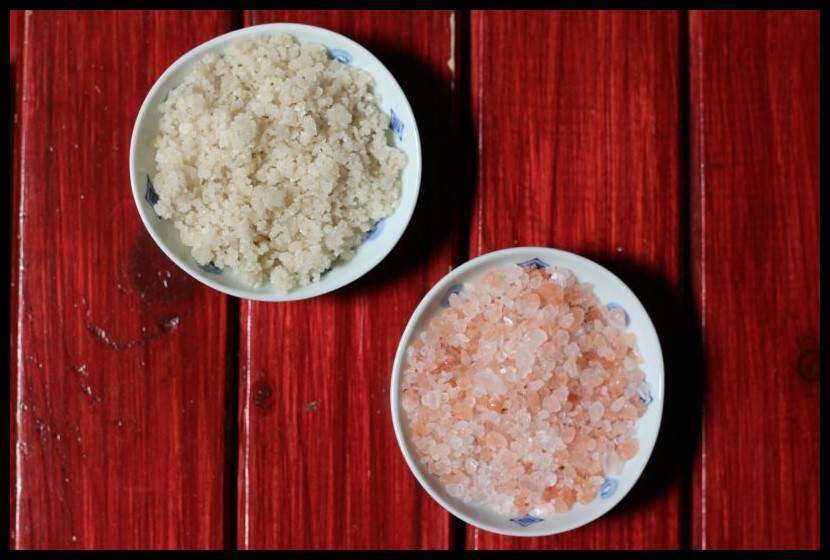
  • Himalayan salt mined from ancient sea beds in Pakistan is one of the most appreciated as it is the purest salt available. Note that this salt does not supply iodide.
  • Role of the salt in heart disease is a controversial topic. Whilst mainstream experts suggest excessive salt consumption contributes highly  to the risks of heart attacks , strokes and death and should be avoided, the other experts disagree.
  • Potassium intake of our ancestors was significantly higher than of sodium thus potassium deficiency may be more responsible for hypertension than excess sodium. The best way to ensure getting enough potassium is to increase the vegetable intake. Juicing is a great way to get more vegetables into your diet.
  • Iodine consumption is ever decreasing and lack of iodine is closely associated with cancer, hypothyroidism and  child’s brain function and IQ. Sea vegetables like kelp and spirulina are among the best natural dietary sources of iodine along with organic and whole grain foods, milk and eggs. Unrefined Celtic Sea Salt (or Le sel de Guérande), harvested off the shores of France, is all-natural, pure source of iodine that contain up to 350mcg per 1/4 tsp.

Key Things to Consider

  • Throw away your table salt and replace it with natural, unprocessed salt like e.g. Himalayan salt, Celtic sea salt or similar. You can find them in your health stores, alternatively follow the link to one of the brands I use: Celtic Sea Salt,  Le sel de Guérande,  Himalayan salt.
  • Avoid all processed foods, which are very high in processed salt and low in potassium and other essential nutrients.
  • Take care of your iodine levels by proper intake of see vegetables, spirulina, Celtic sea salt and iodine-rich food.
  • Consider green vegetable juices as an excellent way to ensure your potassium intake.

Resources and Credits

http://products.mercola.com/himalayan-salt/

http://ajpregu.physiology.org/content/268/4/R825

http://articles.mercola.com/sites/articles/archive/2013/04/04/high-salt-consumption.aspx

Healthy Oils/Fats

Oils and Fats Explained

Omega-3 vs. Omega-6 

Butter 800Modern Western diets typically have ratios of omega−6 to omega−3 in excess of 10 to 1, some as high as 30 to 1. The imbalance in the omega-3 and 6 ratio is associated with many health issues.  

We need omega-3 fatty acids for numerous body functions, such as controlling blood clotting and building cell membranes in the brain.  Note that omega-3 fats are necessary for the complete development of the human brain during pregnancy.

On the other hand, vegetable oils like corn, soy, sunflower, canola are rich in omega-6 oils and shouldn’t  be used for cooking.

How Best To Ensure Omega-3 Intake?

Since our bodies cannot make omega-3 fats, we must obtain them through food.

Many nutrition experts believe we need at least 4% of the total calories (approximately 4 grams) as omega-3 fats.

Flaxseeds and walnuts would be at the top of the omega-3 rich foods list. 40 grams of flaxseeds (1/4 cup) contain about 6 grams of omega-3 fatty acids. 40 of walnuts contain around 4 grams (1/4 cup of walnuts is around 3 grams)

Beans, fish, winter squash and olive oil are other important sources.

Frying Oxidizes the Oils and Damages Omega-3

Frying destroys the antioxidants and oxidizes the oils.

As the oil is heated and mixed with oxygen, it becomes rancid (oxidized) and should not be consumed as it leads directly to heart disease.

The best is to stay away from frying. Even frying fish and frying with olive oil will damage the omega-3s.

Olive Oil – Great for Salads, Not Great For Cooking

Olive oil is one of those miraculous  gifts of nature.  Extra virgin olive oil is considered by many as one of the healthiest fats on Earth. Real “extra virgin” olive oil is 100% natural and very high in antioxidants. Many of the lower quality olive oils have been processed and adulterated with cheaper oils.

However,  olive oil is extremely “fragile” and need to be carefully stored and handled with care.

Olive oil is best to be consumed in when not heated. Olive oil is not the best oil to cook with as cooking makes it prone to oxidative damage.  Also the olive oil go rancid quickly.

Tip: To help protect extra virgin olive oil from oxidation, you may add one drop of astaxanthin or lutein (by piercing and squeezing the gellule). Astaxanthin or lutein cause oil to turn red or orange so once when the color fades, the oil should be thrown away.

Another good strategy is to keep olive oil at the dark place and buy smaller quantities.

Butter is Healthy!

Butter is a great source of vitamin A, (D, E and K2), which are often lacking in the urban diet. It also contains minerals like selenium, it is good source of iodine, fatty acids, contains a perfect balance of omega-3 and omega-6 fats and many other benefits.

However, not all butter is created equal, and you need to take care to buy the butter made from raw, unpasteurized, organic milk.  

Avoid Margarine, Butter-Mimicking Products and “Cholesterol-Free” Cooking Fats

Margarine and all other butter-mimicking foods including “cholesterol-free” advertised cooking fats should be avoided at any cost.

There is a myriad of unhealthy components in margarine and the likes including trans fats (unnatural fats that contribute to heart disease, cancer), free radicals (linked to cancer), emulsifiers, preservatives, bleach, additives and many, many others.

Key Things to Remember

  • Take care of your omega-3 fatty acid intake.  Adding some flaxseed and walnuts would be the easiest way to go about it. ghee 4
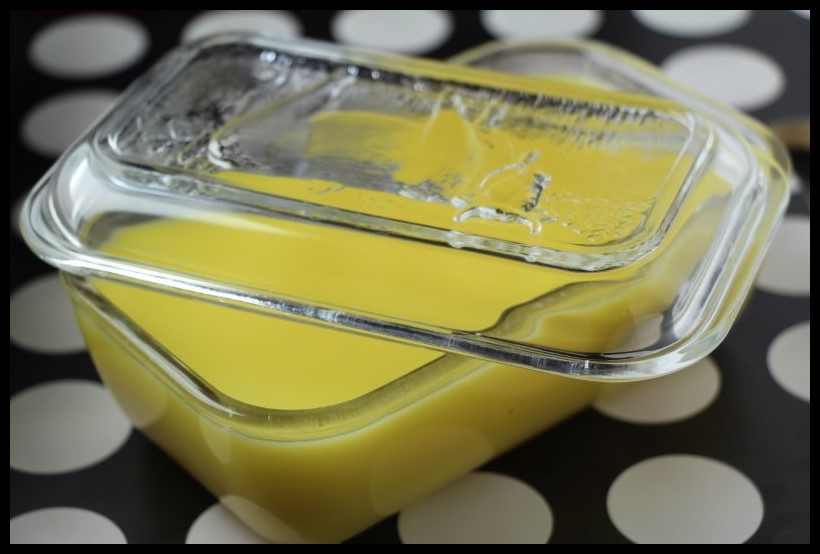
  • For cooking and baking the best is to use exclusively coconut oil or ghee.
  • Consume, but do not heat other healthy fats like extra virgin olive oil and butter (from raw, organic milk). Avocados,  egg yolks are additional sources of healthy fats.
  • Stay away from margarine and “butter-mimicking” foods including “cholesterol-free” advertised cooking fats.

Sources and Credits

http://articles.mercola.com/sites/articles/archive/2010/12/07/why-is-butter-better.aspx

http://www.whfoods.com/genpage.php?tname=george&dbid=75