Category Archives: Say No To Toxins

Sun-Kissed Naturally – Use Natural Oils As Sunscreen

Is Your Sunscreen Giving You Cancer?

Most of the commercial sunscreens contain dangerous ingredients like Oxybenzone, Retinyl Palminate, Para amino benzoic acid, Octyl salicyclate, Cinoxate, Dioxybenzone, Phenylbenzimidazole, Homosalate, Menthyl anthranilate, Octocrylene, Methoxycinnamate, Parabens etc.

Most of those common ingredients can actually provoke cancer, create hormonal disruptions and many other health issues!

Natural Dental CareNatural Oils Can Be Used As Sunscreen

It is not widely known that natural oils do offer great SPF protection.

For example red raspberry seed oil is SPF 28-50, carrot seed oil SPF 38-40, wheat germ oil SPF 20, karanja (pongamia) oil SPF 20, hazelnut oil SPF 15 non-GMO soybean oil SPF 10.

Other oils, such as coconut oil, jojoba oil olive oil, macadamia oil, sesame oil, avocado oil, hempseed oil, and shea butter offer low SPF protection (SPF2-8).

Red Raspberry Seed Oil – The Sunscreen of Choice!

Red Raspberry Seed Oil is a great choice not only because of very high SPF but because it offers great protection from both UVA & UVB rays. The essential fatty acids and host of antioxidants in this oil are also great for skin.

Other Natural Oils As Ingredients To Your Sunscreen

Important to note is that aside from Red Raspberry Seed Oil, most other plant oils protect only against UVB rays and should be used as an addition to the Red Raspberry Seed Oiland not stand-alone.

  • Carrot seed oil is an essential oil, so it has to be diluted in carrier oil anyway. It offers even greater protection than red raspberry seed oil.
  • Wheatgerm oil is packed with Vitamin E, K, B, E, D and A. It is great for smoothing skin and provides a golden glow that looks natural. It improves the elasticity of your skin and helps protecting your skin against harmful effects of sun.
  • Olive oil is rich in vitamin E, a naturally occurring antioxidant with soothing properties to not only moisturize the skin, but help to develop the golden tan.
  • Hazelnut Oil is rich in Vitamin E and one of the most popular ingredients in natural tanning oils. It is one of the easily absorbed oils due to its high fatty acid content.

Look at the super fast Sunscreen  DIY Recipe.

Which Natural Oil to Buy?

Since not all oils are created equal, the SPF can vary. Determining the exact SPF factor of an oil is not easy, especially given that natural oils oxidize (lose some of their medicinal properties) over time and when exposed to light.

Ensure that you are purchasing high quality oils from a recommended supplier and always do your own research.

A good Red Raspberry Seed Cold Pressed Oil can be found (Click here for EU link).

Look for a cold pressed, organic, non-diluted, non-refined high quality oil.

Some Safe Commercial Options

If you don’t have the time to do the home-made sunscreen and sun tanning oil here are few links where you can find some safe commercial alternatives.

  • Sunscreen

If you don’t have the time to do the home made here is the link to the safe SPF 50 sunscreen

You can make your own, it will take you 30-40minutes. This is one of my favorite recipes: (see here).

If you are too busy, we can make it for you. Here is a link to UNDER THE SUN – 100% Organic Nourishing Sun Tanning Oil
Non-Toxic Cleaning

Toxins in Household Products Can Cause Severe Health Issues

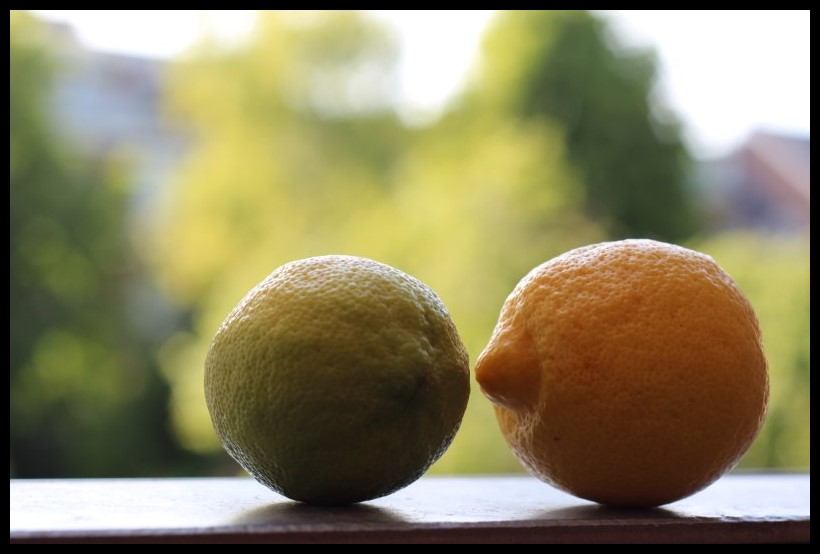
Like in most of the typical homes, we used to have dozens of liters of toxic, hazardous household products; everything from  bathroom, glass and toilet cleaners to dishwashing and laundry washing detergents and similar.Lemons 800

Back then I didn’t know that a huge amount of toxins in household products (often omitted from product declarations) is proven to cause severe hormonal disruptions, respiratory issues, irritations and cancer.

Additionally, the labels “green” and “natural” are nothing more than pure marketing and often these products do contain dangerous chemicals.

That’s why you have to do your research and make sure the products you buy and use are safe.

Natural Alternatives and Safer Commercial Products

The white vinegar and baking soda are among the best natural alternatives and can do almost anything in terms of cleaning.

I use them for de-clogging drains, stain removal, vinegar for disinfecting. Add some tea tree oil and you can have a good and safe anti-mold cleaner. Lemon juice and salt combined, can nicely clean stainless-steel sinks, bras, and rust stains.

When it comes to laundry washing I use Indian Wash Nuts for children clothes and Ecover Zero (see below) for the rest.

I never use fabric conditioners/softeners, instead I use Dryer Balls and add couple of drops of lavender essential oil to the rinsing cycle.

Key Things to Consider

  • Get rid of your toxic housecleaning products and start using white vinegar, baking soda, hydrogen peroxide, lemon juice and salt instead.
  • You can find a bunch of the DIY recipes on the internet, but if you are not into DIY, a good commercial alternative is Ecover Zero that can be found on US and  European markets.  I use Zero Washing Powder and Zero Laundry Liquid  for laundry washing and Ecover Zero Dishwasher and Zero Washing Up Liquid  for dish washing.
  • You can see here that Ecover Zero depending on type of product is either in Category A (safest) or B, based on the research conducted by Environmental Working Group.
  • Before you buy your cleaning product even if it is advertised as “green” or “natural” make sure you check if it considered safe by  Environmental Working Group www.ewg.org

Sources and Credits

No-No List of Foods & Stuff

Quick Summary Of The Things To Avoid

  1. Cigarettes.
  2. Genetically engineered foods.
  3. All processed foods, which are very high in processed salt and low in potassium and other essential nutrients.
  4. Processed foods labeled as “no-“ or “low-fat” (usually means it’s loaded with fructose or sugar), or “no-“ or “low sugar” diet foods (which usually contain artificial sweeteners).
  5. Read ingredients list and avoid food that contains ‘corn syrup’, HFCS (high fructose corn syrup) or any variation.
  6.  Soda drinks.
  7.  Sugar/Sweets. A bar of preferably raw or dark chocolate is ok 😉
  8. All artificial sweeteners: aspartame (Canderel and others), saccharin and sucralose (chlorinated artificial sweetener). Agave syrup is typically highly processed so best to avoid it.
  9. Soy (except fermented soy products like tempeh, miso and natto)
  10. Vegetable oils (omega-6) like corn, soy, sunflower, canola.
  11. Margarine and all other butter mimicking foods including “cholesterol free” cooking fats should never be used especially for cooking.
  12. Frying. If you really need to fry use ghee or coconut oil.
    Intake of grains/starch in general needs to be reduced. Wheat (gluten), potato need to be reduced to bare minimum.
  13. Pasteurized and homogenized milk and pasteurized dairy.
  14. Bottled water, vitamin water and similar.
  15. Eating too much fruits at expense of vegetables.
  16. Coffee (a cup of organically grown coffee is fine).
  17. Alcohol (a glass of organic, red wine is fine).
  18. Microwave.
  19. Teflon (anti-stick) coated dishes.
  20. Fluoride.
  21. Exposure to electromagnetic fields, the radiation produced by cell phones, medical scans like X-rays, CT scans, and especially mammograms.
  22. Toxic housecleaning products.
  23. Toxic cosmetics, skin care and beauty products.
  24. Birth control pill. It compromises female hormonal balance and it may as well cause death.
  25. Exposure to environmental toxins (bisphenols, dioxin,  phthalates, perchlorate, fire retardants, lead, mercury, aluminium, arsenic, PFCs, organophosphate pesticides, and glycol ethers etc) that act as xeno-estrogens and cause hormone imbalance.