All posts by Suzana Vukcevic

Natural Health Advocate. My wish is to make more people aware of unconventional, natural and less known ways to deal with the health challenges or simply live healthier.

Lower Your Risk of Breast Cancer by Using EASY DIY Deodorant

All-Natural EASY DIY Deodorant That Really Works
Lower Your Risk of Breast Cancer by Using EASY DIY Deodorant

Commercially available deodorants are packed with dangerous toxins, cancerogenic substances and endocrine disruptors.

Unfortunately, even hen the label says ALL NATURAL and/or ORGANIC, the product may still contain some controversial ingredients.

The rule is – if you can’t pronounce even one of the ingredients it is most likely unsafe to use it!

Also note that antiperspirants likely contain aluminum, and that aluminum may be absorbed and deposited into your breast tissue and significantly increase your risk of breast cancer!

Fortunately there are safer alternatives, simple and easy to make at home, that really work and do not cost a fortune.

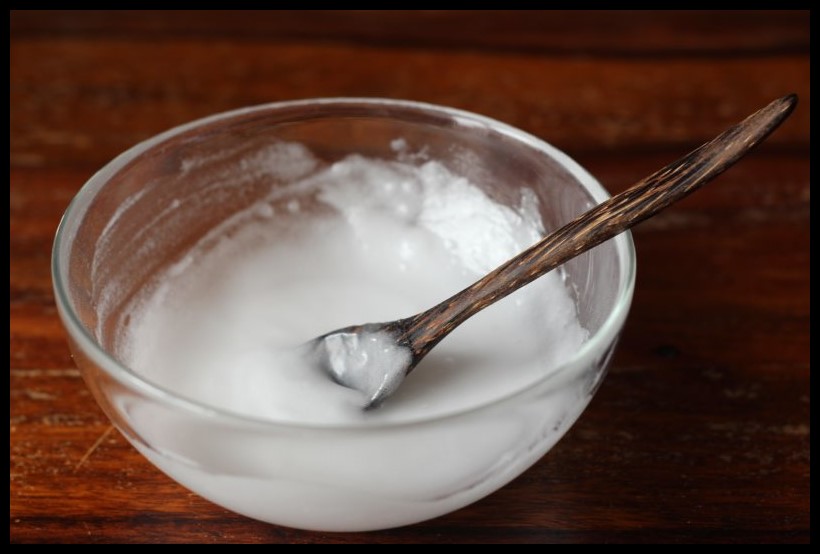
My favorite is to mix some coconut oil with a small amount of baking soda (make sure you use pure sodium bicarbonate!) and add the few drops of essential oils.

If you are really not into making it yourself you can order it here CREAM DEODORANT 100% PURE & TOXIN FREE

Preparation Time

  • 5 minutes

Ingredients

  • Lower Your Risk of Breast Cancer by Using EASY DIY Deodorant  2 tablespoons of coconut oil
  • A pinch of sodium bicarbonate
  • 2-4 teaspoons of arrowroot powder
  • Few drops of essential oils. Tea tree or lavender or geranium  are some good options
Steps

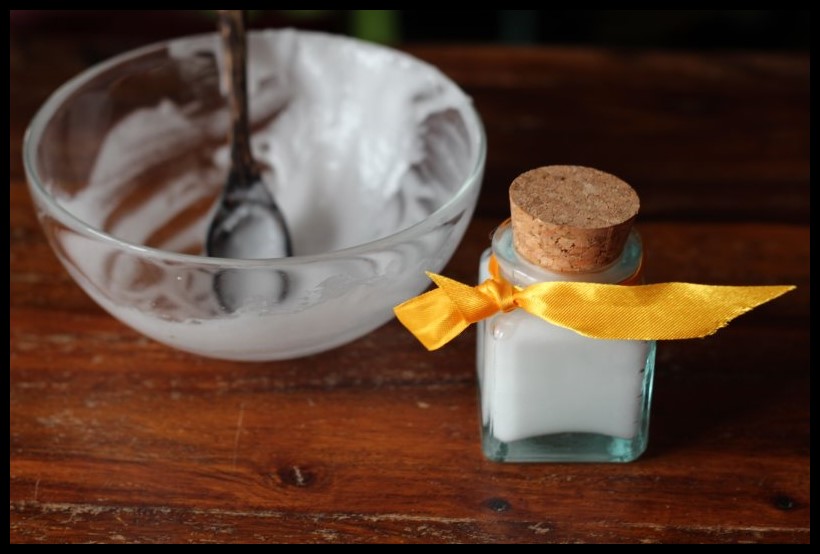
  1. Mix vigorously in a glass recipient all of the ingredients.
  2. Add few drops of your favorite essential oils. I normally add a drop of tea tree oil (anti-bacterial, anti-viral) and a drop of lavender or patchouli essential oil for scent.
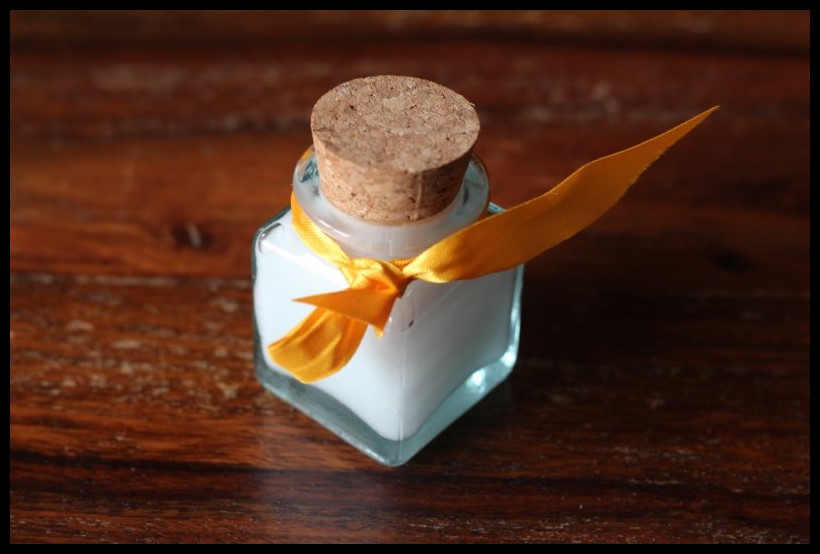
  3. Pour it in a glass container with a lid and store at the room temperature (or put it in the fridge if it is too warm).  This preparation has a long shelf time – just make sure you don’t touch it with wet fingers.
  4. To apply: rub a TINY amount in using your fingertips. Allow your skin couple of minutes to absorb in order to avoid the oil stains on your clothes. If it does not work the very first day, be patient – your skin sometimes needs up to a week to adapt.

Caution
Lower Your Risk of Breast Cancer by Using EASY DIY Deodorant  Remember to avoid citrus essential oils during the  summer months as they may cause the dark spots on your skin.

  1. Always use glass or stainless steel recipients and utensils when using the essential oils as they may interact with plastic and some metals.
  2. If you have sensitive skin, please note that sodium bicarbonate may cause irritations due to its ph that is different from ph of our skin, so skip it or use even smaller amount of sodium bicarbonate and use more of the arrow root powder and essential oils. Keep essential oils to 2% of the total weight. Always consult an aroma-therapist or your doctor about essential oils usage and safety.

Voilà – that’s really it.
Food On, Love In & Out 🙂

8 Tips To Reduce Exposure to Hormone-Disrupting Substances

Know Your Endocrine-Disruptors! 

  • bottleA number of chemicals in our homes commonly found in plastic products, food, pesticides and environment are known as  endocrine disruptors.
  • Endocrine disruptors or xeno-estrogens behave like our natural sex hormones and can alter the timing of puberty in children, decrease sperm quality and stimulate mammary gland development in men, disrupt reproductive cycles, cause ovarian dysfunction and PMS in women. Xeno-estrogens are also associated with obesity, cancer, heart disease and other diseases.
  • Phthalates and other endocrine disruptors are also known as “gender-benders” because they seem to be causing the males to become feminized.  When a pregnant woman is exposed to high levels of phthalates, there is a great risk that her son will have smaller genitals and incomplete testicular descent. The research clearly shows that low testosterone is associated with increased phthalate exposure.
  • Besides phthalates, the list of the worst offenders includes BPA (bisphenol A), dioxin, perchlorate, fire retardants, lead, mercury, aluminium, arsenic, PFCs, organophosphate pesticides, and glycol ethers.  Read more about 20 Biggest Offenders.
  • Multiple studies confirmed that all samples of umbilical cord blood obtained from pregnant women had detectable levels of bisphenol A, suggesting “universal fetal exposure” to BPA.
  • Scientific studies of wildlife especially frogs and fish has been showing for years that fish are switching gender due to the high levels of estrogens.

8 Tips to Reduce Exposure to Hormone-Disrupting Substances / Xeno-Estrogens

  1. Eat whole, preferably organic produce and free-range, organic meats to reduce your exposure to hormones, pesticides and fertilizers. Processed, prepackaged foods are a major source of chemicals such as BPA and phthalates. Also avoid milk and dairy products that contain bovine growth hormone.
  2. Avoid soy and soy based products. Don’t use soy-based infant formula. The only soy that is ok to be consumed is fermented, non-GMO.
  3. Store your food and beverages in glass containers rather than plastic, and avoid using plastic wrap and canned foods (often contain BPA).
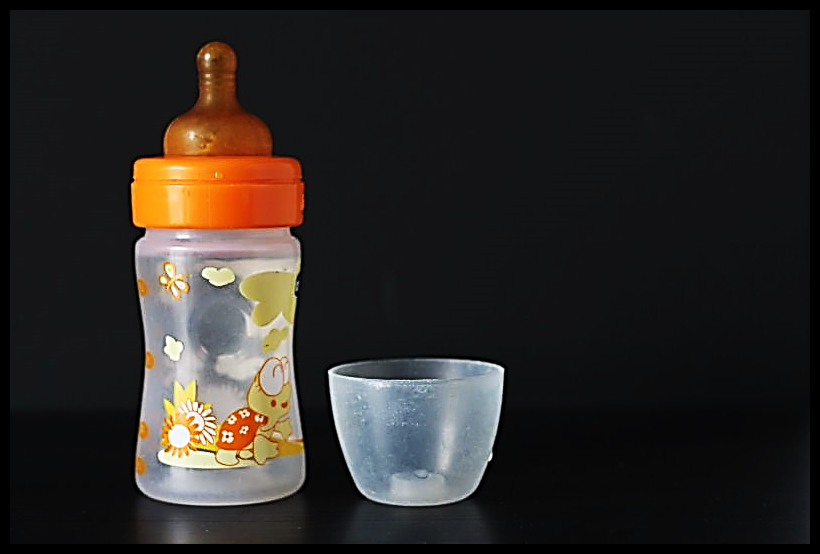
  4. Use glass baby bottles and BPA-free and phthalates free cups, pacifiers, teething rings and toys.
  5. Only use natural cleaning products to avoid phthalates and other offending chemicals.
  6. Switch over to natural brands of shampoo, toothpaste, deodorant and cosmetics free of phthalates, parabens and other dangerous chemicals. Read more at the Natural Skin Care section.
  7. Replace your non-stick pans with ceramic or glass cookware.
  8. When renovating your home, look for “green”, non-toxic paint and avoid vinyl flooring.

Sources and Credits

“Universal Fetal Exposure” to BPA Study

Miscarriage risk rises with BPA exposure, study finds

Worst Endocrine Disruptors

BPA may affect sperm quality 

Phthalates Lower Testosterone Levels

All Natural Sun Tanning Oil

DIY sun tanning oil 1Carrots & Coffee Sun Tanning Oil Recipe

This sun tanning oil attracts the sunlight and it is quite effective. However, please note that it offers very limited SPF protection and it is best to be used together with the sunscreen. Step 1. Chop up two medium size carrots and add 300ml (two cups) of filtered water. Simmer the carrots for about 30 minutes until they are soft. Step 2. Add 4-5 teaspoons of instant coffee to the pot, stir in and simmer for 10-12 minutes. DIY sun tanning oil 2Step 3. When cooled completely, pour the mixture through the strainer and discard the carrots. Step 4. Add around 150ml of oil(s) to the liquid. Olive oil, hazelnut oil, walnut oil and almond sweet baby oil are all great. You can add of any of these oils or mix them to your liking.DIY sun tanning oil Before going out you can also drink some freshly pressed carrot juice to increase the effect 🙂 This Sun Tanning Oil will keep for about 2-3 months. Refrigerate for maximum freshness. Do not use oils that smell rancid.

https://www.etsy.com/listing/232929647/under-the-sun-nourishing-sun-tanning-oilIf you are too busy and not into DIY, we can make it for you. Here is a link to UNDER THE SUN – 100% Organic Nourishing Sun Tanning Oil – a fine blend of 10 different oils all known for many of their virtues in protecting, nourishing and rejuvenating the skin and, of course, for speeding up the tanning 🙂

Caution!

  • It’s suggested to put a layer of sunscreen under the tanning oil to prevent serious sunburn.
  • Make sure you put the sunscreen first. Click here for Natural Quick Sunscreen Recipe. When the sunscreen is fully absorbed by your skin (it takes around 20 minutes) you can apply a thin layer of your home-made sun tanning oil.
  • Be careful and watch out closely for signs of sunburn! This oil should not be used for fair skin.
  • This Sun Tanning oil is not waterproof, so be sure to reapply after swimming.
  • Choose a designated towel you don’t mind staining up.

Food On, Looking Great 🙂