All posts by Suzana Vukcevic

Natural Health Advocate. My wish is to make more people aware of unconventional, natural and less known ways to deal with the health challenges or simply live healthier.

Sun-Kissed Naturally – Use Natural Oils As Sunscreen

Is Your Sunscreen Giving You Cancer?

Most of the commercial sunscreens contain dangerous ingredients like Oxybenzone, Retinyl Palminate, Para amino benzoic acid, Octyl salicyclate, Cinoxate, Dioxybenzone, Phenylbenzimidazole, Homosalate, Menthyl anthranilate, Octocrylene, Methoxycinnamate, Parabens etc.

Most of those common ingredients can actually provoke cancer, create hormonal disruptions and many other health issues!

Natural Dental CareNatural Oils Can Be Used As Sunscreen

It is not widely known that natural oils do offer great SPF protection.

For example red raspberry seed oil is SPF 28-50, carrot seed oil SPF 38-40, wheat germ oil SPF 20, karanja (pongamia) oil SPF 20, hazelnut oil SPF 15 non-GMO soybean oil SPF 10.

Other oils, such as coconut oil, jojoba oil olive oil, macadamia oil, sesame oil, avocado oil, hempseed oil, and shea butter offer low SPF protection (SPF2-8).

Red Raspberry Seed Oil – The Sunscreen of Choice!

Red Raspberry Seed Oil is a great choice not only because of very high SPF but because it offers great protection from both UVA & UVB rays. The essential fatty acids and host of antioxidants in this oil are also great for skin.

Other Natural Oils As Ingredients To Your Sunscreen

Important to note is that aside from Red Raspberry Seed Oil, most other plant oils protect only against UVB rays and should be used as an addition to the Red Raspberry Seed Oiland not stand-alone.

  • Carrot seed oil is an essential oil, so it has to be diluted in carrier oil anyway. It offers even greater protection than red raspberry seed oil.
  • Wheatgerm oil is packed with Vitamin E, K, B, E, D and A. It is great for smoothing skin and provides a golden glow that looks natural. It improves the elasticity of your skin and helps protecting your skin against harmful effects of sun.
  • Olive oil is rich in vitamin E, a naturally occurring antioxidant with soothing properties to not only moisturize the skin, but help to develop the golden tan.
  • Hazelnut Oil is rich in Vitamin E and one of the most popular ingredients in natural tanning oils. It is one of the easily absorbed oils due to its high fatty acid content.

Look at the super fast Sunscreen  DIY Recipe.

Which Natural Oil to Buy?

Since not all oils are created equal, the SPF can vary. Determining the exact SPF factor of an oil is not easy, especially given that natural oils oxidize (lose some of their medicinal properties) over time and when exposed to light.

Ensure that you are purchasing high quality oils from a recommended supplier and always do your own research.

A good Red Raspberry Seed Cold Pressed Oil can be found (Click here for EU link).

Look for a cold pressed, organic, non-diluted, non-refined high quality oil.

Some Safe Commercial Options

If you don’t have the time to do the home-made sunscreen and sun tanning oil here are few links where you can find some safe commercial alternatives.

  • Sunscreen

If you don’t have the time to do the home made here is the link to the safe SPF 50 sunscreen

You can make your own, it will take you 30-40minutes. This is one of my favorite recipes: (see here).

If you are too busy, we can make it for you. Here is a link to UNDER THE SUN – 100% Organic Nourishing Sun Tanning Oil
Quick Natural Sunscreen

Homemade Sunscreen Quick Recipe

Preparation time:  10-15min.

    • 60ml (2 ounce) coconut oil or shea butter
    • 60ml (2 ounce) of any of these oils (red raspberry seed oil (SPF38-40), carrot seed(SPF38-40), hazelnut oil (low SPF), olive oil (low SPF) or wheat germ oil (SPF20)  or combination. Make sure to include red raspberry seed oil for both UVB & UVA protection).
    • 60ml (2 ounce) beeswax or alternative (for waterproof protection)
    • (Optional) 10 drops of your favorite essential oil (don’t use citrus oils as they can case dark spots!). The lavender essential oil and calendula infused oil can help protect the skin from sunburn. Ylang-ylang oil has relaxing, tropical fragrance and patchouli is good for dry skin.

Combine all ingredients in a glass recipient. Fill a saucepan with some water and turn the heat to medium. Place the glass recipient in the saucepan with water. Mix until completely melted and smooth. Remove from the heat and let it cool.

It is hard to say, without doing lab tests, what level of SPF protection this homemade sunscreen offers, so be prudent always.

For a more predictable and performant sunscreen, especially for sensitive and fair skin, you would need to add 5-20% zinc oxide (non-nano, uncoated, high quality).

Blueberries – The Food For Thought

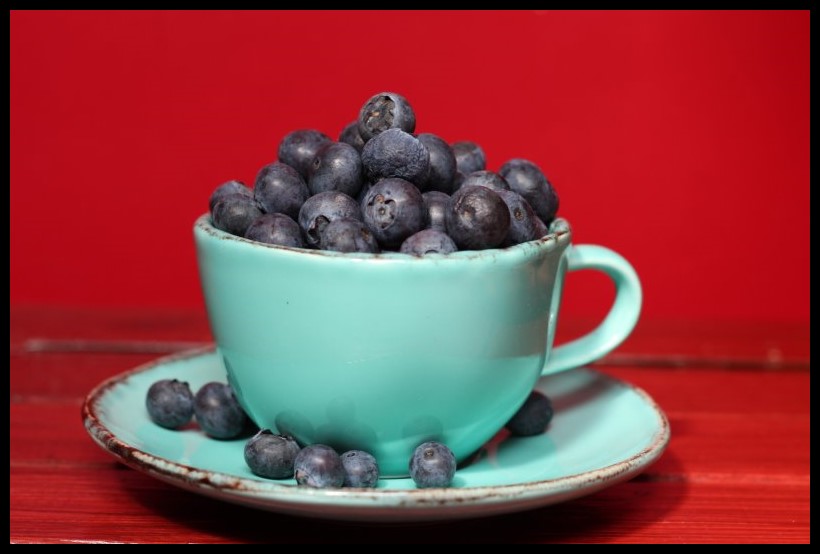
blueberries 2Blueberries are a true “powerfood” with long list of amazing medicinal properties.

Blueberries are strong antioxidant and anti-inflammatory, they are known as ultimate “memory food”, help protect against heart disease, beneficial against cancer, prevent age-related vision problems and regulate blood sugar in persons with type 2 diabetes.

Strong Antioxidant and Anti-Inflammatory

Researchers at the USDA Human Nutrition Center have found that blueberries rank #1 in antioxidant activity when compared to 40 other fruits and vegetables.

Blueberries belong to one of the top anthocyanin-rich foods. Anthocyanin, the pigment that makes the blueberries blue, is a powerful antioxidant and anti-inflammatory compound that helps neutralize the free radicals and prevent oxidative stress on your brain. Inflammation and oxidative stress are linked to every major disease, including cognitive diseases such as Parkinson’s and Alzheimer’s disease. Dr. Jonny Bowden in his book The 150 Healthiest Foods in World explains that antioxidants and phytochemicals in blueberries create synergy and exhibit the most potent cumulative free-radical absorbance effect of any fruit.

Ultimate “Memory Food”

The research suggests that blueberries can be very effective in improving memory, age-related neurodegenerative disease, dementia and other neurological diseases.

The polyphenol antioxidants in blueberries not only improve your existing neurons, but can actually enable your brain to grow new neurons. Dr. Jonny Bowden calls blueberries the “ultimate memory food” and describes that daily consumption of blueberries can significantly slow natural age-related cognitive decline.

Heart Disease

Blueberries help protect against heart disease in a number of ways. Blueberry flavonoids can help stabilizing elevated blood pressure levels, decrease the risk of hardening of the arteries, prevent or reduce arterial inflammation and the buildup of arterial plaque. Research has also found that these compounds can also help lower both total and LDL (“bad”) cholesterol levels, as well as triglycerides. Blueberry flavonoids can help stabilizing elevated blood pressure levels.

Beneficial Against Cancer

Laboratory evidence suggests that blueberry compounds help to prevent cancer in a variety of ways. Blueberry compounds help to prevent DNA damage by keeping healthy cells from becoming malignant during their ongoing cycle of reproduction. According to Dr. Bowden, the specific flavonoids in blueberries can also inhibit an enzyme that promote the development of cancer cells. Blueberry is also important anti-angiogenic food that is able to prevent the growth of blood vessels that feed a tumor (process called anti-angiogenesis).

Vision

Consuming blueberries can decrease the risk of age-related vision issues. Studies have found that the flavonoids can prevent an unhealthy growth in eyes’ blood vessels that normally leads to macular degeneration and vision loss.

Type 2 Diabetes

Blueberries have shown to have a favorable impact on blood sugar regulation in persons already diagnosed with type 2 diabetes.

Freezing Blueberries

New studies make it clear that we can freeze blueberries without doing damage to their delicate anthocyanin antioxidants. After freezing blueberries at temperatures of 0°F (-17°C) or lower for periods of time between 3-6 months, researchers have discovered no significant lowering of overall antioxidant capacity or anthocyanin concentrations. This is great news for anyone who has restricted access to fresh blueberries.

Organically vs. Conventionally Grown

Organically grown blueberries have significantly higher concentrations of total antioxidants than conventionally grown blueberries.

Sources and Credits