All posts by Suzana Vukcevic

Natural Health Advocate. My wish is to make more people aware of unconventional, natural and less known ways to deal with the health challenges or simply live healthier.

A Way to Obstruct the Aging Process

Regular exercise builds up immunity, speeds up the elimination of toxins and rejuvenates  the body.

You’ve probably already come across many approaches to “modern exercising” like spinning, pilates, cardio, and myriad of others.

I don’t think we should obsess about choosing the “perfect” exercise.  Every exercise that you enjoy is a perfect exercise.  However making it a routine is very important especially if you have a sedentary work style and spending hours in front of the computer like I do.

Moderate exercise, brisk walking, jumping on trampoline, dance, yoga or any other form that you enjoy is important to be done every day. 

Besides exercise, a highly alkaline, raw diet, deep breathing, increasing the pure water intake etc. are very good for oxygenizing.

High Intensity Interval Training

A relatively new approach to exercise is called High Intensity Interval Training or Peak 8 (by Dr. Mercola).

In essence, you need to raise your rate up to anaerobic threshold for 20 seconds and then you recover for 90 seconds and repeat 8 times.  Reaching the anaerobic threshold (when it becomes hard to breathe because you miss the oxygen) will cause your human growth hormone (HGH)  to increase.

Human growth hormone production decreases after we reach 30s. Obviously increasing the HGH naturally is a good way to obstruct the aging process 🙂

I find this high-intensity training* very convenient because it lasts only 20 minutes, so you have no excuses for not having the time and you don’t need some fancy equipment – type of exercise is entirely up to you; can simply be alternating fast and slow walking.

I like using elliptical cross-trainer for high-intensity training. It took me ages to compare reviews and choose one, so finally I bought a mid-priced NordicTrack E4.2 which I find smooth and very good quality for the money.

I  also found that wearing a pedometer works really well. In fact, each member of our family owns one, including our 5-year old who almost always wins the competition 🙂 The goal is to reach at least 10K steps a day.   My most active day in the corporate world, rushing from meeting to meeting, to the school, to the office and back would typically result in only about 4K steps.

A mid-priced pedometer (we own Fitbit Zip  or Fitbit One) works really well.

Quick Checklist

    • Make your daily 30+minutes exercise schedule and no matter what stick to it.  The type is less important: brisk walking, jumping on trampoline, elliptical, yoga, swimming, really anything works. Consider doing it together with your partner, children, or family member and making it a habit.
    • If your work style is sedentary, consider 15 minutes reminders to stand up and do a simple exercise.  Some additional interesting ideas and techniques can be found here.

Notes and More Info

*The high intensity training is not suited for everybody.  Make sure you first verify if this training is appropriate for you or seek your health care practitioner’s advice in case of any concerns. More info can be found here Peak 8
Level 2: Endurance

Level 2: Endurance is based on closely looking and applying with rigor Do’s and Don’ts for each of the base nutrients listed in Food Essentials: Sugar, Protein, Oil/Fats, Grains/Starch, Dairy, Salt, Water and Vegetables&Fruits.

BeeYou can read more by following each of the links; here I only enclose the steps with some checklists.

In addition to “base nutrients”, I suggest adding some Supplements as well as looking into the Well-being Essentials.

Here are all of the things that I suggest taking care of in the Endurance phase.

Have a wonderful and tasteful journey!

 1. Sugar

  • Honey is a healthy alternative to sugar, when used it in its pure, raw form.
  • Stevia is a sweet herb derived from the leaf of the South American stevia plant, which is completely safe in its natural form.

 Avoid

  • All artificial sweeteners: aspartame (Canderel and others), saccharin and sucralose (chlorinated artificial sweetener). Agave syrup is typically highly processed so best to avoid it.
  • Read ingredients list and avoid food that contains ‘corn syrup’, HFCS (high fructose corn syrup) or any variation
  • Processed foods labeled as “no-“ or “low-fat” (usually means it’s loaded with fructose or sugar), or “no-“ or “low sugar” diet foods (which usually contain artificial sweeteners).
  • Soda drinks. Filtered water is our best bet.
  • Sweets. A bar of preferably raw chocolate is ok 😉

Read more here.

2. Protein

  • Meat (organic, hormone free). All meats, including poultry with exception of pork.
  • Eggs (organic, cage-free) – best to consume them raw or lightly boiled/cooked.
  • Fish – deep or cold water wild/ caught. Avoid sorts that are likely to be contaminated with mercury etc.
  • Raw dairy (butter from raw milk, cheese from raw milk, raw or lightly pasteurized milk, yogurt).
  • Beans are sources of good, but not complete proteins.

Avoid

  • Soy (except fermented soy products like tempeh, miso and natto)

Read more here.

3. Oil and Fats

  • For cooking and baking the best is to use exclusively coconut oil or ghee.
  • Other extremely healthy oils/fats like butter (from raw, organic milk) and olive oil are great sources of healthy fat/oils but they should not be heated.
  • Avocados, walnuts, egg yolks are additional sources of healthy fats.

Avoid

  • Vegetable oils (omega-6) like corn, soy, sunflower, canola.
  • Margarine and all other butter mimicking foods including “cholesterol free” cooking fats should never be used especially for cooking.
  • Frying. If you really need to fry use ghee or coconut oil.

Read more here.

4. Grains/Starch

  • Intake of grains/starch in general needs to be significantly reduced. Use of wholegrain sorts like oatmeal, kamut, wild/brown rice, barley, rye, buckwheat, quinoa etc. is controversial to an extent, but many consider them as healthy alternatives and I see no harm including them unless you have health issues. The same goes for potatoes. In general potato consumption needs to be reduced significantly, I like replacing it occasionally with sweet potato that is higher in nutrients.

Avoid

  • Wheat/gluten need to be fully avoided or at least significantly reduced.

Read more here.

5. Dairy/Milk

  • Raw whole, unpasteurized, non-homogenized milk. It is very difficult to obtain it but sometimes you can buy it directly from small farms.
  • Second best would be the whole, pasteurized, non-homogenized milk from cows raised on organic feed which is now available in many health food shops.
  • Alternative sources of calcium are: cultured buttermilk that is often more easily digested than regular milk. Butter obtained from raw milk is great especially for children. Goat milk and yogurt is a great alternative and easily digested.

Avoid

  • Pasteurized and homogenized milk and pasteurized dairy.

Read more here.

6. Salt

  • Use only natural, unprocessed salt like e.g. Himalayan salt and Celtic Salt (high in iodine).
  • Introduce green vegetable juices as an excellent way to ensure your potassium intake.

Avoid

  • All processed foods, which are very high in processed salt and low in potassium and other essential nutrients.

Read more here.

7. Water

  • Drink only filtered water. Purchase water filters that take out the chlorine and fluoride from your water.

 Avoid

  • Bottled water, vitamin water and similar.

Read more here.

8. Vegetables and Juicing

  •  6-8 servings of fresh organic vegetables (and fruits) per day. Juicing is the easiest way to reach our daily requirement.
  • Take couple of vegetables that you normally like, that don’t have too strong flavor (e.g. cucumber (peel it), fennel, carrot or spinach) and add lemon, lime, apple or ginger to improve taste.
  • When you get used to juicing, shift slowly towards more vegetables and less sweet fruits.

 Avoid

  • Eating too much fruits at expense of vegetables.

Read more here.

9. Supplements.

The nutrition we need can be in principle fully obtained from wholesome, organic food.

However, for people on the go and especially frequent travelers it can be quite challenging to get all the nutrients that body need.

Read more and please consider adding some supplements enlisted  here or others that you feel you may need in addition.

10. Well-Being Essentials.

In addition to nutrition, at this stage I also suggest looking into implementing the basics of the Well-Being Essentials. However, if it feels overwhelming, focus on nutrition first and leave it for the next phase.

 Food In, Love Out.  See you at the Level 3 🙂

Toxins: 20 Biggest Offenders

We live in a toxic world and are surrounded by hormone-disrupting and cancer causing chemicals. The truth is that we can’t fully avoid them, however we need to educate ourselves on the biggest offenders and try our best to avoid them.

Toxins 800The list of all offenders would be far too long for this type of article. I list here only 20 of the most common offenders: 10 Environmental Toxins and 10 Food Additives.

Top 10 Enviromental Toxins

  1. Phthalates. Phthalates are used to make plastics like polyvinyl chloride (PVC) more flexible. They are one of the most prevalent endocrine disruptors. They are found in everything from processed food packaging to detergents, toys and beauty products like nail polish, hair spray, shampoo, deodorants etc. Exposure to phthalates can lead to fetus malformations, reduced sperm counts etc.
  2. BPA (Bisphenol A). BPA is used to make certain kinds of plastics, and can also be found in thermal paper, canned goods, toys, in fact – everywhere. Environmental Working Group (EWG) detected BPA in the umbilical cord blood of 90 percent of newborn infants tested — along with more than 230 other chemicals. Some companies are simply replacing the offending BPA with another less known but equally toxic chemical called Bisphenol-S (BPS).
  3. Metalloestrogens. Metalloestrogens are cancer-causing estrogen-mimicking compounds. Lead, mercury, copper, aluminium, cobalt, chromium, nickel etc. are some of them. These metals are added to consumer products like deodorants, vaccines!, etc.
  4. Bovine growth hormones (rBGH). BGH’s, generally found in commercial dairy, have been associated with premature puberty. This highly toxic chemicals is found everywhere and can increase hormonal levels, impair immune system, cause liver damage etc. Majority of our exposure comes from eating animal products.
  5. Fluoride. Fluoride is added to some public water supplies and toothpaste. Fluoride is associated with lower levels of melatonin and earlier onset of puberty.
  6. PFC. Perfluorinated chemicals are dangerous substances that are found in the nonstick pans.
  7. Organophosphates. Organophosphates are found in pesticides and can cause neurotoxic effects.
  8. Glycol ethers. Glycol ethers like 2-butoxyethanol (EGBE) and methoxydiglycol (DEGME) are typically found in paint.
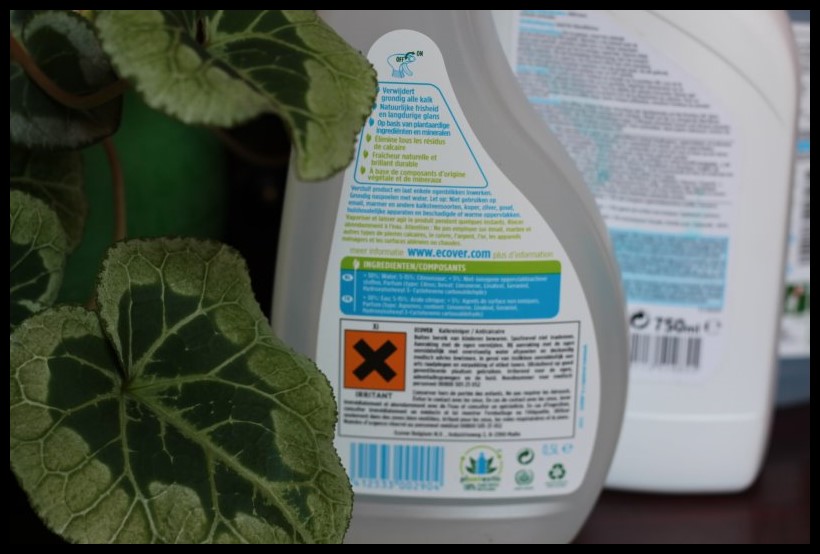
  9. Nonylphenol ethoxylates (NPEs). Found in housecleaning products, NPEs are known to be potent endocrine disruptors that affect gene expression by turning on or off certain genes, and interfere with the way your glandular system works.

Top 10 Food Additives To Avoid

  1. Artificial Sweeteners.  Aspartame is believed to be carcinogenic and accounts for more reports of adverse reactions than all other foods and food additives combined. The artificial sweetener Acesulfame-K has been linked to kidney tumors. All artificial sweeteners are dangerous.
  2. High Fructose Corn Syrup. High fructose corn syrup (HFCS) increases your LDL (“bad”) cholesterol levels and contributes to development of diabetes.
  3. Monosodium Glutamate (MSG). MSG is used as a flavor enhancer. It is an excitotoxin, a substance that overexcites cells to the point of damage or death.
  4. Trans Fat. Numerous studies show that trans fat increases LDL cholesterol levels and increases your risk of heart attacks, heart disease and strokes.
  5. Common Food Dyes. Artificial colorings may contribute to behavioral problems in children and lead to a significant reduction in IQ.
  6. Sodium Sulphite. This is a preservative used in processed foods. People who are sulfite sensitive can experience headaches, breathing problems, and rashes. In severe cases, sulfites can actually cause death.
  7. Sodium Nitrate/Sodium Nitrite. This common preservative has been linked to various types of cancer.
  8. BHA and BHT. Butylated hydroxyanisole (BHA) and butylated hydrozyttoluene (BHT) are preservatives that affect the neurological system of your brain, alter behavior and have the potential to cause cancer.
  9. Sulphur Dioxide. Sulphur additives are toxic and in the U.S., they have been prohibited in raw fruit and vegetables. Adverse reactions include bronchial problems, low blood pressure, and anaphylactic shock.
  10. Potassium Bromate. This additive is used to increase volume in some breads. It is known to cause cancer in animals, and even small amounts can create problems for humans.
Read about 8 Tips To Reduce Hormone Disruptive Substances

Sources and Credits

http://articles.mercola.com/sites/articles/archive/2012/12/19/precocious-puberty.aspx

http://www.foodmatters.tv/articles-1/top-10-food-additives-to-avoid