Tag Archives: Cancer prevention

Well-Being and Stress Handling

Psychological factor, negative emotions and stress tend to be far more prevalent as disease triggers than all of the other physical ones.

Flower 1

Note that at least 80 percent of all diseases appear to be caused by negative thoughts and emotions.

The path you choose to manage stress levels is less important.

What is important is to break free from toxic emotions like hatred, bitterness, fear, jealousy, envy, angriness that all highly contribute to your stress levels and block the energy flows.

To develop ability to quieten the mind and achieve the sense of inner peace.

To increase the capacity to love unconditionally, enjoy the life and forgive.

I particularly like Eckhart Tolle’s take on modern spirituality.  His books The Power of Now and New Earth could be that little something that puts all things in perspective and give you the key to finding the inner piece and happiness.

For stress handling, Dr. Mercola for example recommends energetic approaches such as EFT (Emotional Freedom Technique). EFT is based on many years of knowledge accumulated by the Chinese.  It works by reestablishing full energetic flow of the body’s underlying energy (meridian system) by tapping (which can be seen as form of acupressure) and positive affirmations.

For those that are not into spiritual or Eastern wisdom and technics, there are other good “tools” like: stress reducing CDs, listening to relaxing music, dancing, playing an instrument, etc.

Herb Eleuthero (“Siberian ginseng”) contains anti-fatigue and anti-stress properties that help to support the adrenal glands thus improving our tolerance to stress. Siberian ginseng is used when level of cortisol is high.

We simply need to remember that laughing, loving, kissing and hugging are the greatest of all “stress-terminators”.

For example hugging is a wonderful “medicine” as it transfers energy and gives both persons an emotional lift.

Plus you usually can’t give a hug without getting one back – so smile at and hug that person that is next to you, no matter who he/she is 🙂

Breathe In, Love Out 🙂

Food Supplements and Vitamins – Do We Really Need Them?

How to choose vitamins and supplements?

The nutrition we need can be in principle fully obtained from wholesome, organic food.

However, for people on the go and especially frequent travelers it can be quite challenging to get all the nutrients that body needs.

Even the wholesome organic food is depleted if compared to the food our ancestors consumed, plus up to half of its nutritional value may be lost through the preparation and cooking.

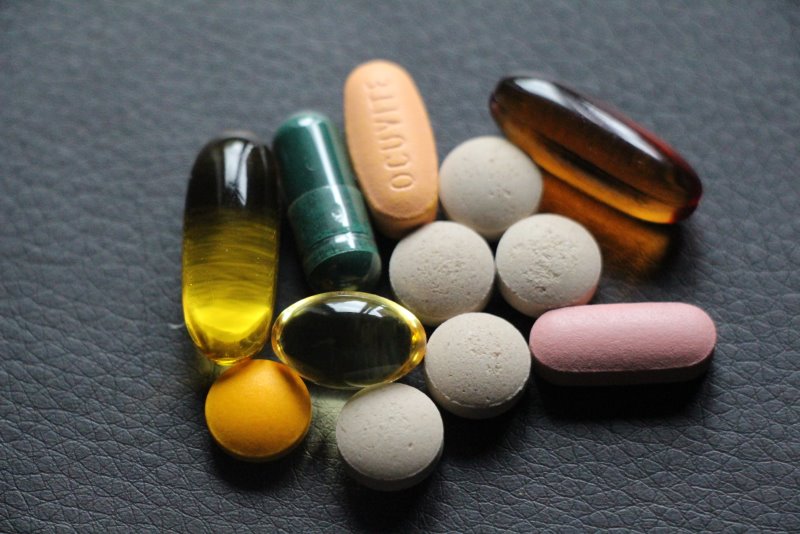
As a result, we can, indeed, somewhat benefit from supplements.

As a general guideline, supplement should be from natural origin and high-quality. Synthetic types are cheaper and can do more harm than good, so best to avoid them.

I enclose below my list along with some key considerations.

The list can be much longer and rather overwhelming so I stick with those that worked well for me and my family and group them in Core (absolutely essential to be used every day) and Optional (occasional use when/if appropriate).

Core

1. Vitamin D

This vitamin is extremely important for our well-being. Deficiency of the vitamin D is associated with a large number of diseases like cancers, heart disease, autism, multiple sclerosis, cold, flu, eczema, depression, obesity and many others.

A proper sun exposure is absolutely the best way to get your daily requirement of vitamin D.  I enclose some basic guidelines here.

If/when you need to supplement vitamin D, make sure you go for the best quality. The oral supplement needs to be in natural form of vitamin D3 (cholecalciferol), the same vitamin our body makes when exposed to sunshine. It is important to avoid vitamin D2 (Drisdol).

2. Vitamin C

Vitamin C  promotes tissue growth and repair and have multiple health benefits. Vitamin C received probably the highest media coverage ever and its benefits are rarely questioned so I am not going to dwell on its importance any further. Few considerations to have in mind:

    • A colorful diet of raw vegetables, preferably organic, provide our body with the vitamin C it needs (acerola, pepper, guava, green leafy vegetables, kiwi, berries, broccoli, citrus fruits are some of the foods with highest vitamin C content)
    • As anti-cancer treatment, mega doses of vitamin C are sometimes given intravenously (to maintain the high levels in the bloodstream).
    • Liposomal technology of producing vitamin C has been used to help increase absorption of nutrients and may work better even when compared to intravenous vitamin C. You can buy liposomal vitamin C on the internet but it is fairly expensive and good quality is not easy to find. In Europe you can buy Lipolife Gold and in the US Liposomal Vitamin C.
    • If you can’t find or afford the liposomal type, make sure you look for the vitamin C that is

a) in form of Ascorbyl palmitate which is fat soluble, stable and extremely good for your skin. Alternative form L-ascorbyl palmitate should be avoided at all costs as it is highly acidic and can damage the sensitive skin.

b) made of natural ingredients (not synthetic chemicals) and

c) does not contain any soy emulsifier (soy lecithin).

3. Probiotic

Also known as “good” bacteria, probiotic is extremely important for our immune system, digestion, detoxification etc.

It is best to get it from fermented food like yogurt made from dairy or nut milks, kombucha, sauerkraut, kimchi, other fermented (“cultured”) vegetables and juices etc.

Alternatively you can supplement with a high quality, high potency probiotics. Good probiotic is typically expensive, and you need to make sure that at minimum –

  • contains wide multiple strains of bacteria
  • is acid resistant (able to resist stomach acid)
  • doesn’t need refrigeration (typicaly a good indicator that product is of good quality).

Dr. Mercola’s Probiotic, although expensive, is difficult to beat. I now use not as good but of solid quality and more affordable Bifibiol.

4. Omega 3 

Western diet in general is lacking Omega 3 and many articles have been written about importance of Omega 3. Supplement in form of Cod liver oil or Krill oil is therefore often necessary.

Krill oil, although expensive is preferred for few reasons. Krill are small, shrimp-like creatures harvested from the cold Antarctic waters and probably the best sustainable source of Omega 3 on the planet. Besides Omega-3 fatty acids (EPA & DHA), krill oil contains vitamins A and E, plus astaxanthin (a powerful antioxidant).

5. Mutivitamin

Vegetable juice is by far your best “Multivitamin”. I know it is not easy to get used to juicing and takes some practice. If you are on the road, traveling or not able to juice for whatever reason, the chances are that you will need to supplement.  A  good, high-quality multi-vitamin you can find Dr Mercola Multivitamin

Optional Supplements

1. Iodine.

If you live in the Western world, the probability that you are iodine deficient is high. Iodine deficiency causes cancer, ADHD,  Hypothyroidism and Retardation. Read more about Iodine Deficiency Epidemic.

Therefore it is important to optimize your iodine levels through the natural intake of foods. Toxin-free sea vegetables like kelp and spirulina are among the best natural dietary sources of iodine in food. Celtic salt is all-natural, pure source of iodine that contains up to 350mcg per 1/4 tsp. Recommended daily supplementation of iodine is around 800mcg.

2. Chlorella.

Chlorella, a single-celled micro-algae, is one of the most powerful detoxification tools available as a supplement that is used to eliminate accumulated toxins, including mercury. You should look for Broken Cell Wall chlorella and be sure it comes from clean waters.  You need to start small and increase supplementation  gradually.  I use Organic Broken Cell Wall Chlorella.

3. Vitamin E.

Antioxidant that supports cardiovascular health; promotes healthy skin and hair. Look for a natural complex, free of soy (hard to find in Europe). I particularly like and use Unique E, that is indeed free of soy.

4. Evening Primrose Oil (for women). 

This is the supplement I have been using incessantly for ten plus years. It is extremely good for female organs health and promotes hormonal balance. I use this product Be-Life Evening Primrose 1000

5. Vitamin B.

Vitamin B promotes brain health, hair and nail growth. Folate (a water-soluble B vitamin that is naturally present in some foods) is replenished easily and naturally by eating nutritious diet, rich in raw vegetables (best form of folate) and it is our best bet to get the necessary B.

If you really need to supplement then look for a B complex that contain folate (natural form) as opposed to folic acid (synthetic type of B vitamin).

6. Magnesium.

Magnesium is often insufficiently supplied by a regular diet. The magnesium deficiency is difficult to define, however some signs like painful muscle spasms, muscle cramping, eye twitches, or involuntary eye movements, anxiety, maybe be attributed to lack of magnesium. Also, both physical and emotional stress and hyperactivity can cause lack of magnesium.

Fresh, pure vegetable juices are the absolutely the best and preferred source of magnesium.

Occasionally you can take magnesium supplement orally, but it’s important not to use it on a long-term basis, as it may cause imbalances in the calcium/magnesium ratio.  The best way is use magnesium oil through skin application (transdermal magnesium mineral supplement) and the best i know of is Ancient Minerals


7. Calcium.

Contrary to popular belief that calcium is good for bones, a new research claims that supplemental calcium may cause heart attacks, accelerate vascular calcification and create many other issues.

Therefore the best would be to avoid calcium supplements and use food as undisputed and best source of calcium.  The good sources include leafy green vegetables, wheatgrass etc. Other important sources of calcium are: raw dairy, bone broth, natural unprocessed salt (e.g. Himalayan salt)

8. Fiber.

Regular and easy bowel movement is very important and supplementation helps in case of issues.  You can either take ground organic flaxseeds (flax is also source of omega-3) or Organic Psyllium. I use Organic Psyllium by Organic India.
 

Cancer and “Modern Disease” Prevention. 6 Great Strategies.

Cancer Prevention In the world driven by profits, preventing or curing cancer is not top of mind.  Find out about some key strategies.

Cancer has grown into a worldwide epidemic and it is the biggest cause of death worldwide.

In some countries of the Western world one person out of three develop cancer.

Traditional cancer treatment is not only extremely expensive, but inefficient and detrimental for our body. Chemotherapy is deadly. It is the No. 1 cause of death for cancer patients in America.

Two out of three cancer patients die within five years after receiving the standard cancer treatment.

Despite of ever increasing body of evidence that confirm the alternative and natural strategies and protocols are very efficient, far less expensive and far less invasive, the general awareness is still not there.

It’s up to each of us to learn of many different ways to prevent and eliminate cancer without damaging the body.

Prevention Strategies

When it comes to cancer-prevention strategies almost everything that I wrote in The Food In, Love Out Guide is also about preventing cancer.

By implementing the strategies described there, not only we can significantly lower the risk of cancer but we shield ourselves from countless other “modern” diseases.

Here is the recap and links to key categories, each of them equally important

Besides them today I want to mention another 6 Cancer Prevention Strategies.

Cancer Prevention – 6 Great Strategies

1. Eat Plant Food / Cancer-Prevention Food

The ultra-processed food that we buy in supermarkets has very little resemblance to the food of our ancestors.

A diet of nutrient-rich foods is a great preventative measure for a life without cancer and many modern diseases.

Diet with plenty of organic plant foods alone can make or break the effectiveness of a cancer treatment.

The plant food contain nutrients that our body needs. Fruits, vegetables and herbs protect against cancer and at the same time cleanse and nourish the body. Whilst all plant food is great for us, the following food is considered cancer-fighting

  • Broccoli, curcuma(turmeric), red grapes (source of resveratrol), strawberries, green tea, blackberries, raspberries, blueberries, cherries, parsley, garlic, maitake mushroom, artichokes, nutmeg, green leafy vegetables, other cruciferous vegetables (cauliflower, cabbage, etc.), sea vegetables, ginger etc.

Lactic-acid-fermented food is a great preventative measure: yoghurts both made from dairy and nut milks, kombucha, sauerkraut, kimchi, other fermented (“cultured”) vegetables and juices etc.

Beneficial bacteria strengthen the immune system, particularly stimulating the production of immunoglobulins, cytokines and natural killer cells.

Dr. Kuhl’s protocol for reversing cancer happens to be based on the lactic-acid-fermented food.

2.  Eat Healthy Fats & Proteins

Healthy fats of particular importance for cancer prevention are omega-3 and omega-9.

Omega-3 fats: fatty fish from cold, northern waters (herring, mackerel, salmon and sardines). Plant sources include flaxseed oil, canola oil, walnuts, pumpkin seeds etc.

Ghee and coconut oil (both are good for cooking), olive oil, avocado, nuts are some of the great sources.

Animal protein (organic, grass-fed meat, poultry and eggs from free-range chickens) is very controversial, I am of the opinion that it is necessary in moderation. Red meat especially is debatable; while some preventative strategies promote high quality organic red meat as irreplaceable source of good protein, most of the cancer fighting strategies suggest exclusion mostly because meat increases body’s acidity.

When we talk about cancer prevention only, moderate amounts of organic, grass-fed beef in my opinion can’t do any harm when we include  and take care of other preventative strategies.  We should not forget that cholesterol is absolutely essential for neuron transport and the lack of it can negatively affects our brain function.

That being said, when cancer strikes, the full exclusion of animal protein may be warranted and in fact strictly required by many alternative protocols.  Acidic pH levels, promoted by consuming animal protein, lead to an environment where cancer cells tend to grow better.

3. Avoid Sugar and Processed Foods

Refined sugar feeds and strengthens cancer cells. Sugar substitutes, refined flour and trans fatty acids harm the body. The same goes for processed foods, soft drinks, coffee, alcohol, chlorine and fluoride.

While whole grains also contain important nutrients, there is disagreement on whether to avoid them as they also contain sugar and gluten.

The preventative measure can be then a reduction of grains and promotion of gluten-free varieties. Read more in Grains and Starch – How Much?

Regarding sugar, natural sweeteners such as pure raw honey, maple syrup and herb stevia are some of the healthier alternatives. Brown, raw, unrefined sugar in low quantities is still fine in “preventative” world. Read more Refined Sugar Is Far More Addictive Than Cocaine.

4. Go For Toxins-Free Deodorants and Makeup

There are hundreds of chemicals found in shampoo, deodorant, hairspray, parfume, lotions, nail varnish, eyeshadow etc. Sodium Lauryl Sulphate, Parabens, Phthalates, Propylene Glycole to name just a few are linked to and can trigger cancer, hormonal disruptions, changes in cell structure and many other serious  health issues.

Antiperspirant for example prevents the body from purging toxins, and often contains chemicals (also aluminum) that find their way into the lymph nodes.   A natural alternative for commercial deodorant is e.g sodium bicarbonate, lemon juice or apple cider vinegar.

Read more about Food Additives, Environmental toxins etc. at Say No to Toxins.

5. Stay Away From Radiation and Medical Scans

We need to avoid as much as possible the radiation produced by cell phones, medical scans like X-rays, CT scans, and especially mammograms.

Read Extensive Cell Phone Use Can Triple Brain Cancer Risk.

6. Detox

Detox is extremely important as a preventative measure.  We can naturally induce detox by eating only organic fruits, veggies, and clean, filtered water.  Multiple cancer-fighting strategies are based on juicing alone or combined with other strategies. Read more about some basic technics in Detox & Cleansing.

Sources

Chemotherapy proven to cause long, agonizing, suffering death

Chemotherapy tied to worse deaths, study finds