Tag Archives: Healthy ingredients

Level 2: Endurance

Level 2: Endurance is based on closely looking and applying with rigor Do’s and Don’ts for each of the base nutrients listed in Food Essentials: Sugar, Protein, Oil/Fats, Grains/Starch, Dairy, Salt, Water and Vegetables&Fruits.
BeeYou can read more by following each of the links; here I only enclose the steps with some checklists.

In addition to “base nutrients”, I suggest adding some Supplements as well as looking into the Well-being Essentials.

Here are all of the things that I suggest taking care of in the Endurance phase.

Have a wonderful and tasteful journey!

 1. Sugar

  • Honey is a healthy alternative to sugar, when used it in its pure, raw form.
  • Stevia is a sweet herb derived from the leaf of the South American stevia plant, which is completely safe in its natural form.

 Avoid

  • All artificial sweeteners: aspartame (Canderel and others), saccharin and sucralose (chlorinated artificial sweetener). Agave syrup is typically highly processed so best to avoid it.
  • Read ingredients list and avoid food that contains ‘corn syrup’, HFCS (high fructose corn syrup) or any variation
  • Processed foods labeled as “no-“ or “low-fat” (usually means it’s loaded with fructose or sugar), or “no-“ or “low sugar” diet foods (which usually contain artificial sweeteners).
  • Soda drinks. Filtered water is our best bet.
  • Sweets. A bar of preferably raw chocolate is ok 😉

Read more here.

2. Protein

  • Meat (organic, hormone free). All meats, including poultry with exception of pork.
  • Eggs (organic, cage-free) – best to consume them raw or lightly boiled/cooked.
  • Fish – deep or cold water wild/ caught. Avoid sorts that are likely to be contaminated with mercury etc.
  • Raw dairy (butter from raw milk, cheese from raw milk, raw or lightly pasteurized milk, yogurt).
  • Beans are sources of good, but not complete proteins.

Avoid

  • Soy (except fermented soy products like tempeh, miso and natto)

Read more here.

3. Oil and Fats

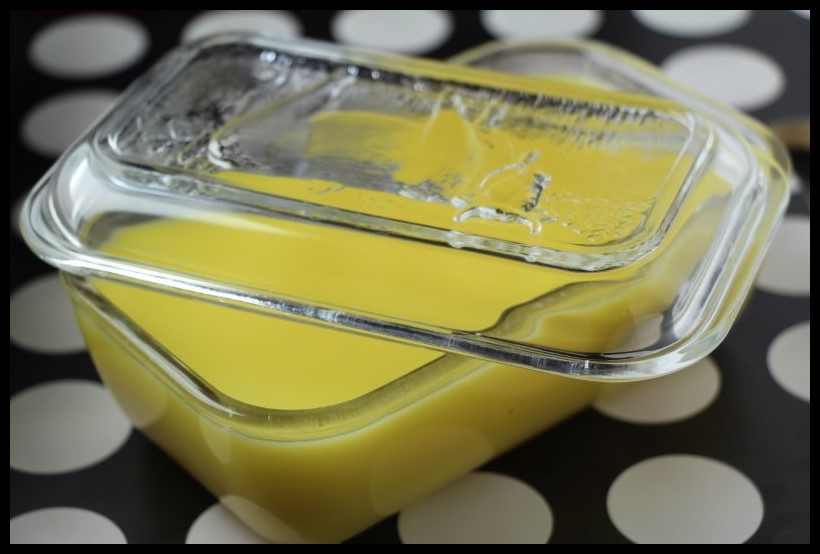
  • For cooking and baking the best is to use exclusively coconut oil or ghee.
  • Other extremely healthy oils/fats like butter (from raw, organic milk) and olive oil are great sources of healthy fat/oils but they should not be heated.
  • Avocados, walnuts, egg yolks are additional sources of healthy fats.

Avoid

  • Vegetable oils (omega-6) like corn, soy, sunflower, canola.
  • Margarine and all other butter mimicking foods including “cholesterol free” cooking fats should never be used especially for cooking.
  • Frying. If you really need to fry use ghee or coconut oil.

Read more here.

4. Grains/Starch

  • Intake of grains/starch in general needs to be significantly reduced. Use of wholegrain sorts like oatmeal, kamut, wild/brown rice, barley, rye, buckwheat, quinoa etc. is controversial to an extent, but many consider them as healthy alternatives and I see no harm including them unless you have health issues. The same goes for potatoes. In general potato consumption needs to be reduced significantly, I like replacing it occasionally with sweet potato that is higher in nutrients.

Avoid

  • Wheat/gluten need to be fully avoided or at least significantly reduced.

Read more here.

5. Dairy/Milk

  • Raw whole, unpasteurized, non-homogenized milk. It is very difficult to obtain it but sometimes you can buy it directly from small farms.
  • Second best would be the whole, pasteurized, non-homogenized milk from cows raised on organic feed which is now available in many health food shops.
  • Alternative sources of calcium are: cultured buttermilk that is often more easily digested than regular milk. Butter obtained from raw milk is great especially for children. Goat milk and yogurt is a great alternative and easily digested.

Avoid

  • Pasteurized and homogenized milk and pasteurized dairy.

Read more here.

6. Salt

  • Use only natural, unprocessed salt like e.g. Himalayan salt and Celtic Salt (high in iodine).
  • Introduce green vegetable juices as an excellent way to ensure your potassium intake.

Avoid

  • All processed foods, which are very high in processed salt and low in potassium and other essential nutrients.

Read more here.

7. Water

  • Drink only filtered water. Purchase water filters that take out the chlorine and fluoride from your water.

 Avoid

  • Bottled water, vitamin water and similar.

Read more here.

8. Vegetables and Juicing

  •  6-8 servings of fresh organic vegetables (and fruits) per day. Juicing is the easiest way to reach our daily requirement.
  • Take couple of vegetables that you normally like, that don’t have too strong flavor (e.g. cucumber (peel it), fennel, carrot or spinach) and add lemon, lime, apple or ginger to improve taste.
  • When you get used to juicing, shift slowly towards more vegetables and less sweet fruits.

 Avoid

  • Eating too much fruits at expense of vegetables.

Read more here.

9. Supplements.

The nutrition we need can be in principle fully obtained from wholesome, organic food.

However, for people on the go and especially frequent travelers it can be quite challenging to get all the nutrients that body need.

Read more and please consider adding some supplements enlisted  here or others that you feel you may need in addition.

10. Well-Being Essentials.

In addition to nutrition, at this stage I also suggest looking into implementing the basics of the Well-Being Essentials. However, if it feels overwhelming, focus on nutrition first and leave it for the next phase.
 Food In, Love Out.  See you at the Level 3 🙂

Nut Milk – Healthy Alternative to Dairy

How To Make Nut Milk At Home

Looking for a healthy alternative to using milk for your morning cereal or add to your coffee?

Nut “milk” is super healthy, dairy-free and easy to make.

Almond is commonly used for making nut milk as it tastes great and it is alkalizing.

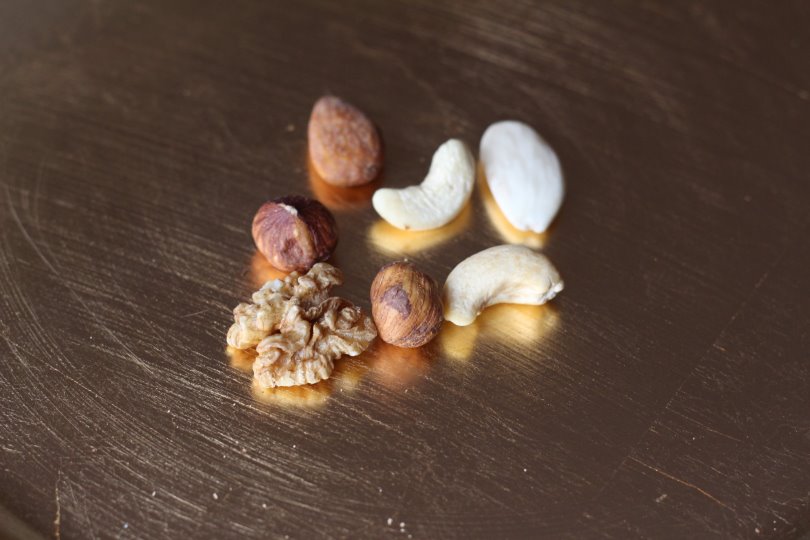
I take any nuts that I have at hand (almonds, brazil nuts, cashews, pistachios, brazil nuts, pecans, macadamia nuts, hazelnuts etc.)IMG_5908

Soaking nuts is important as it starts the sprouting process and make their full nutritional potential available.  Soaking also releases enzyme inhibitors making the nuts digestible.

Most nuts generally require 8 to 12 hours of soaking (see below for exact timing).

Nut milks usually keep in the refrigerator for 2 to 4 days. You can experiment by adding cacao, cinnamon, vanilla extract (all optional).

Nut Milk Recipe

  • 1 cup of soaked almonds or mixture of any nuts that you have at hand
  • Pinch of salt
  • 3 cups of filtered water
  • 3-4 dates or honey (optional)
  • 1 tsp natural vanilla extract or powder (optional)

Steps

  1. Combine nuts, dates, salt and water in a blender and blend for few minutes.
  2. Strain through a cheesecloth or fine sieve into a large bowl.

Use it as you would use the “normal” milk: in your cereal, coffee, tea or drink it plain. Store in a glass jar in the refrigerator for up to four days.

Soaking Time for Raw Nuts

    • 2 hours (sunflower, cashews)
    • 8 hours (almonds, sesame, pumpkin, flax)
    • 4-6 hours (pecans, walnuts and all other nuts)
    • no soaking required (brazil, macadamia, pine and pistachio)

Healthy Oils/Fats

Oils and Fats Explained

Omega-3 vs. Omega-6 

Butter 800Modern Western diets typically have ratios of omega−6 to omega−3 in excess of 10 to 1, some as high as 30 to 1. The imbalance in the omega-3 and 6 ratio is associated with many health issues.  

We need omega-3 fatty acids for numerous body functions, such as controlling blood clotting and building cell membranes in the brain.  Note that omega-3 fats are necessary for the complete development of the human brain during pregnancy.

On the other hand, vegetable oils like corn, soy, sunflower, canola are rich in omega-6 oils and shouldn’t  be used for cooking.

How Best To Ensure Omega-3 Intake?

Since our bodies cannot make omega-3 fats, we must obtain them through food.

Many nutrition experts believe we need at least 4% of the total calories (approximately 4 grams) as omega-3 fats.

Flaxseeds and walnuts would be at the top of the omega-3 rich foods list. 40 grams of flaxseeds (1/4 cup) contain about 6 grams of omega-3 fatty acids. 40 of walnuts contain around 4 grams (1/4 cup of walnuts is around 3 grams)

Beans, fish, winter squash and olive oil are other important sources.

Frying Oxidizes the Oils and Damages Omega-3

Frying destroys the antioxidants and oxidizes the oils.

As the oil is heated and mixed with oxygen, it becomes rancid (oxidized) and should not be consumed as it leads directly to heart disease.

The best is to stay away from frying. Even frying fish and frying with olive oil will damage the omega-3s.

Olive Oil – Great for Salads, Not Great For Cooking

Olive oil is one of those miraculous  gifts of nature.  Extra virgin olive oil is considered by many as one of the healthiest fats on Earth. Real “extra virgin” olive oil is 100% natural and very high in antioxidants. Many of the lower quality olive oils have been processed and adulterated with cheaper oils.

However,  olive oil is extremely “fragile” and need to be carefully stored and handled with care.

Olive oil is best to be consumed in when not heated. Olive oil is not the best oil to cook with as cooking makes it prone to oxidative damage.  Also the olive oil go rancid quickly.

Tip: To help protect extra virgin olive oil from oxidation, you may add one drop of astaxanthin or lutein (by piercing and squeezing the gellule). Astaxanthin or lutein cause oil to turn red or orange so once when the color fades, the oil should be thrown away.

Another good strategy is to keep olive oil at the dark place and buy smaller quantities.

Butter is Healthy!

Butter is a great source of vitamin A, (D, E and K2), which are often lacking in the urban diet. It also contains minerals like selenium, it is good source of iodine, fatty acids, contains a perfect balance of omega-3 and omega-6 fats and many other benefits.

However, not all butter is created equal, and you need to take care to buy the butter made from raw, unpasteurized, organic milk.  

Avoid Margarine, Butter-Mimicking Products and “Cholesterol-Free” Cooking Fats

Margarine and all other butter-mimicking foods including “cholesterol-free” advertised cooking fats should be avoided at any cost.

There is a myriad of unhealthy components in margarine and the likes including trans fats (unnatural fats that contribute to heart disease, cancer), free radicals (linked to cancer), emulsifiers, preservatives, bleach, additives and many, many others.

Key Things to Remember

  • Take care of your omega-3 fatty acid intake.  Adding some flaxseed and walnuts would be the easiest way to go about it. ghee 4
  • For cooking and baking the best is to use exclusively coconut oil or ghee.
  • Consume, but do not heat other healthy fats like extra virgin olive oil and butter (from raw, organic milk). Avocados,  egg yolks are additional sources of healthy fats.
  • Stay away from margarine and “butter-mimicking” foods including “cholesterol-free” advertised cooking fats.

Sources and Credits

http://articles.mercola.com/sites/articles/archive/2010/12/07/why-is-butter-better.aspx

http://www.whfoods.com/genpage.php?tname=george&dbid=75